 Protección PLD
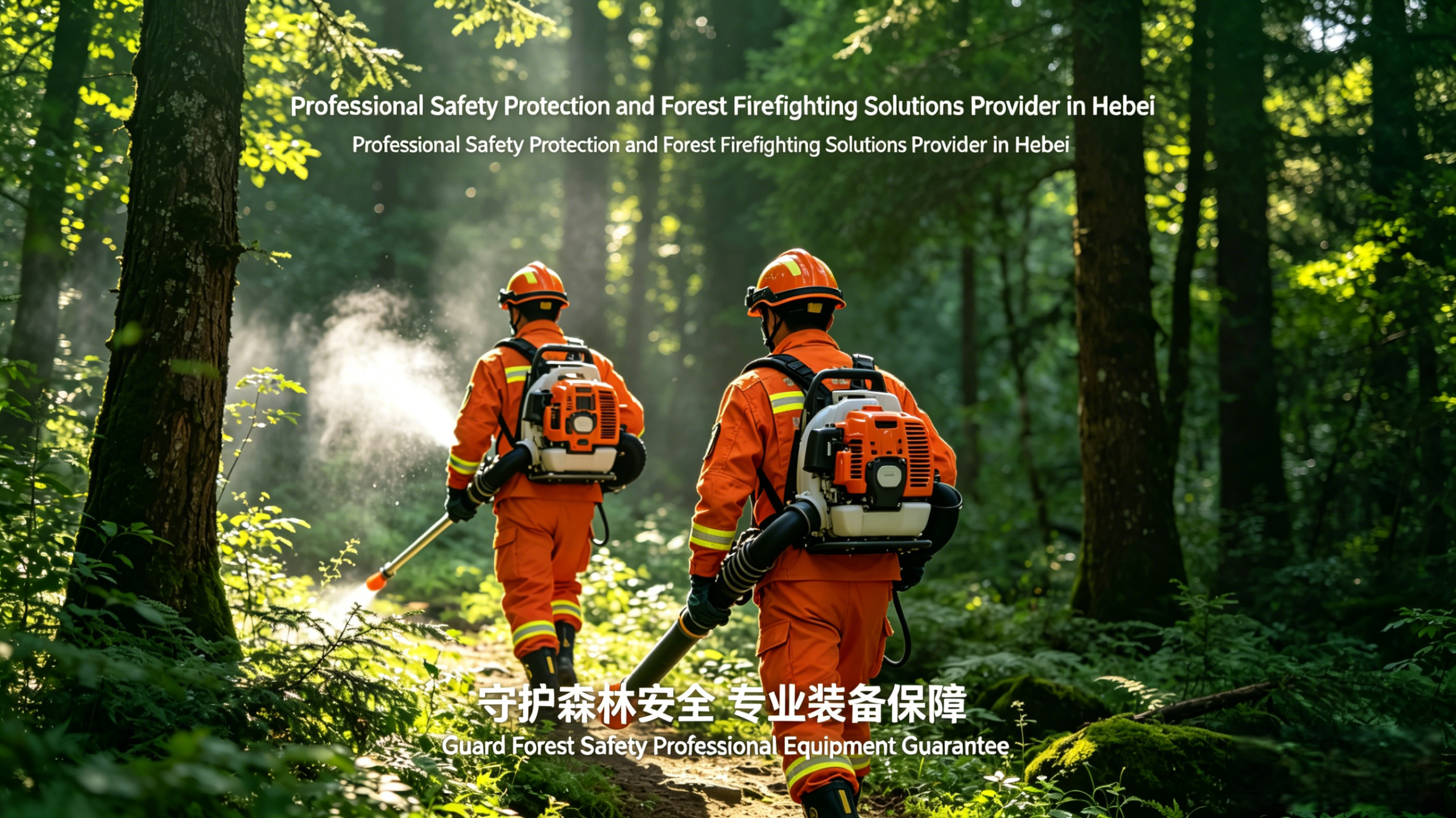
A todas las empresas relevantes, socios de la industria, y profesionales de la seguridad en todo el sector marítimo., aceite & gas, construcción, minería, y sectores de seguridad pública:
Esta notificación sirve para informar a todas las partes interesadas sobre las últimas actualizaciones sobre equipos de salvamento, incluida la serie de aros salvavidas., serie de chalecos salvavidas, y herramientas para salvar vidas, que cubren nuevos estándares de seguridad globales, innovaciones de productos, y requisitos de cumplimiento. Dado que los equipos que salvan vidas son una piedra angular fundamental de la seguridad en el lugar de trabajo y la continuidad operativa en todas las industrias, Mantenerse actualizado sobre estos avances es esencial para garantizar la seguridad de los trabajadores., cumplir con las obligaciones regulatorias, y mitigar los riesgos de emergencia.
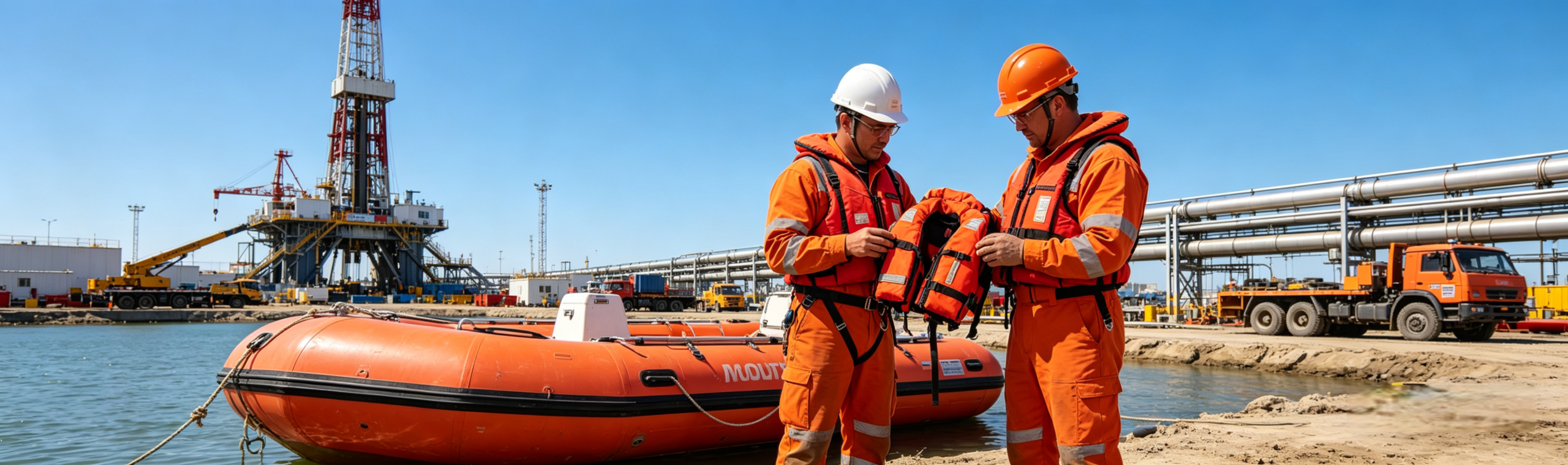
1. Estándares de seguridad globales actualizados para equipos de salvamento
En respuesta a la evolución de los peligros de la industria y las necesidades de seguridad, Se han actualizado los estándares de seguridad globales para equipos de salvamento para mejorar el rendimiento y la confiabilidad.. Las actualizaciones clave incluyen:
-
Cumplimiento de la última norma ISO 12402 (Dispositivos de flotación personales) revisiones, que refuerzan los requisitos de flotabilidad para las series de chalecos salvavidas y mejoran los estándares de durabilidad para uso a largo plazo en entornos industriales hostiles..
-
Enmiendas al SOLAS (Convenio internacional para la seguridad de la vida humana en el mar) estándares, que requieren características de visibilidad mejoradas (p.ej., tiras reflectantes mejoradas, señalización LED) para series de aros salvavidas utilizados en operaciones marinas y offshore.
-
Nuevas directrices de OSHA para herramientas que salvan vidas, enfatizando la alta resistencia, Materiales resistentes a la corrosión para cuerdas de rescate., arneses, y equipos de extracción para garantizar la confiabilidad en escenarios de emergencia.
Todas las empresas deben garantizar que sus equipos de salvamento cumplan con estos estándares actualizados antes de la fecha de vigencia de enero. 1, 2026, para evitar sanciones por cumplimiento y garantizar la seguridad de la fuerza laboral.
2. Innovaciones de productos clave en equipos de salvamento
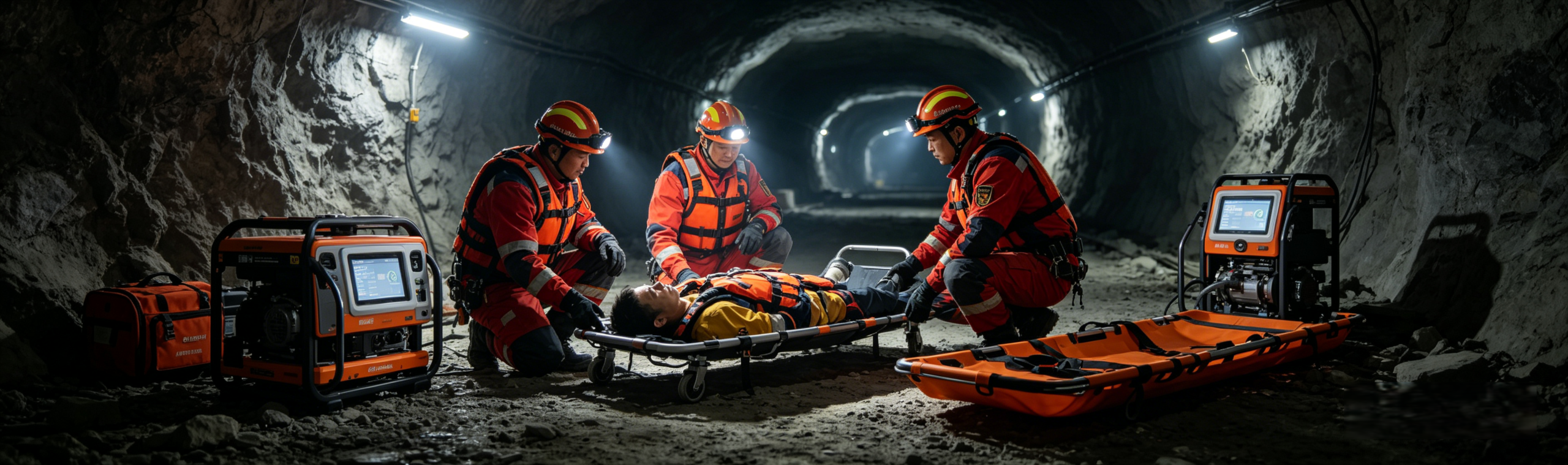
Para abordar los puntos débiles específicos de la industria y mejorar la eficiencia del rescate, Las innovaciones recientes en equipos de salvamento se han centrado en la versatilidad., inteligencia, y sostenibilidad. Los avances notables incluyen:
-
-
Serie de aros salvavidas: Los aros salvavidas de grado industrial ahora cuentan con luces LED integradas y seguimiento por GPS para rescate nocturno y remoto, junto con materiales anticorrosión HDPE/PU optimizados para entornos marinos y de agua salada.
-
Serie de chalecos salvavidas: Chalecos salvavidas inflables modulares con activación automática de inmersión en agua., Revestimientos térmicos extraíbles para adaptabilidad a la temperatura., y compatibilidad con otros EPI (cascos, arneses) para uso entre industrias.
-
Herramientas para salvar vidas: Cuerdas de rescate inteligentes con sensores de carga, Herramientas portátiles de extracción hidráulica para construcción y minería., y dispositivos compactos de comunicación submarina para operaciones de rescate marítimo.
3. Recordatorios de cumplimiento y mejores prácticas
Garantizar el pleno cumplimiento y el uso óptimo de los equipos de salvamento., Se recuerda a todas las partes interesadas las siguientes mejores prácticas.:-
Realizar inspecciones periódicas y mantenimiento de la serie de aros salvavidas., serie de chalecos salvavidas, y herramientas que salvan vidas para garantizar la funcionalidad, incluidas pruebas de flotabilidad, controles de integridad del material, y reemplazo de equipos desgastados o caducados.
-
Proporcionar formación obligatoria a los trabajadores sobre el uso correcto de los equipos de salvamento., incluido el despliegue adecuado de aros salvavidas, colocación de chalecos salvavidas, y operación de herramientas de rescate.
-
Alinear la adquisición de equipos de salvamento con las necesidades específicas de la industria: p.ej., Las operaciones en alta mar deberían dar prioridad a los chalecos salvavidas inflables con arneses., mientras que las obras de construcción cercanas al agua requieren aros salvavidas de alta visibilidad y chalecos salvavidas resistentes a la abrasión.
-
Asóciese con fabricantes certificados para garantizar que todos los equipos cumplan con los estándares internacionales (ISO, SOLÁS, OSHA) y requisitos reglamentarios locales.
4. Información de contacto para consultas adicionales
Para preguntas sobre estándares actualizados, innovaciones de productos, o guía de cumplimiento, comuníquese con nuestro equipo de seguridad industrial al [Correo electrónico de contacto] o [Número de teléfono de contacto]. Estamos comprometidos a brindar apoyo y recursos para ayudar a su organización a mantener los más altos estándares de seguridad..La seguridad no es negociable. Manteniéndose actualizado sobre estos desarrollos y adhiriéndose a las mejores prácticas., Podemos fortalecer colectivamente la red de seguridad para los trabajadores de todas las industrias y garantizar una rápida, respuesta eficaz a las emergencias. -