 Protection PLD

À toutes les entreprises concernées, partenaires industriels, et les professionnels de la sécurité dans l'ensemble du secteur manufacturier, huile & gaz, construction, exploitation minière, pétrochimique, and related industrial sectors:
This notification is issued to inform all stakeholders about the latest updates regarding workware products series—including industrial workwear, anti-static work clothes, flame-retardant workwear, corrosion-resistant workwear, and high-visibility workwear. It covers newly updated global safety standards, product technological innovations, and industry compliance requirements. As workware products series serve as the first line of defense for workforce safety and a key guarantee for operational compliance across all industries, staying abreast of these updates is crucial to protecting workers’ health, meeting regulatory obligations, and reducing workplace safety risks.

1. Updated Global Safety Standards for Workware Products Series
With the continuous upgrading of industrial production environments and the increasing emphasis on workplace safety, global safety standards for workware products series have been revised and improved to enhance product performance, durabilité, and protective capabilities. Key updates are as follows:
-
Compliance with the latest ISO 2801:2024 revisions, which strengthen the requirements for anti-static, ignifuge, and corrosion-resistant performance of workware, ensuring adaptability to harsh industrial environments such as high temperature, high humidity, and chemical exposure.
-
Amendments to EN 340:2023 (Protective Clothing for Professional Use) normes, emphasizing ergonomic design requirements for workware products series, including breathability, flexibility, and comfort, to reduce worker fatigue during long-term high-intensity operations.
-
New OSHA guidelines for high-visibility workwear, requiring enhanced reflective strip design and color fastness, to ensure the visibility of workers in low-light, dusty, or crowded job sites such as construction and mining.
-
Updated Indonesian SNI 1241-2024 standards for workware used in oil & gas and marine industries, adding stricter anti-corrosion and saltwater resistance requirements to adapt to the tropical marine environment.
All enterprises are required to ensure that their workware products series meet these updated standards by the effective date of January 1, 2026, to avoid compliance penalties, operational risks, and potential safety hazards.
2. Key Product Innovations in Workware Products Series
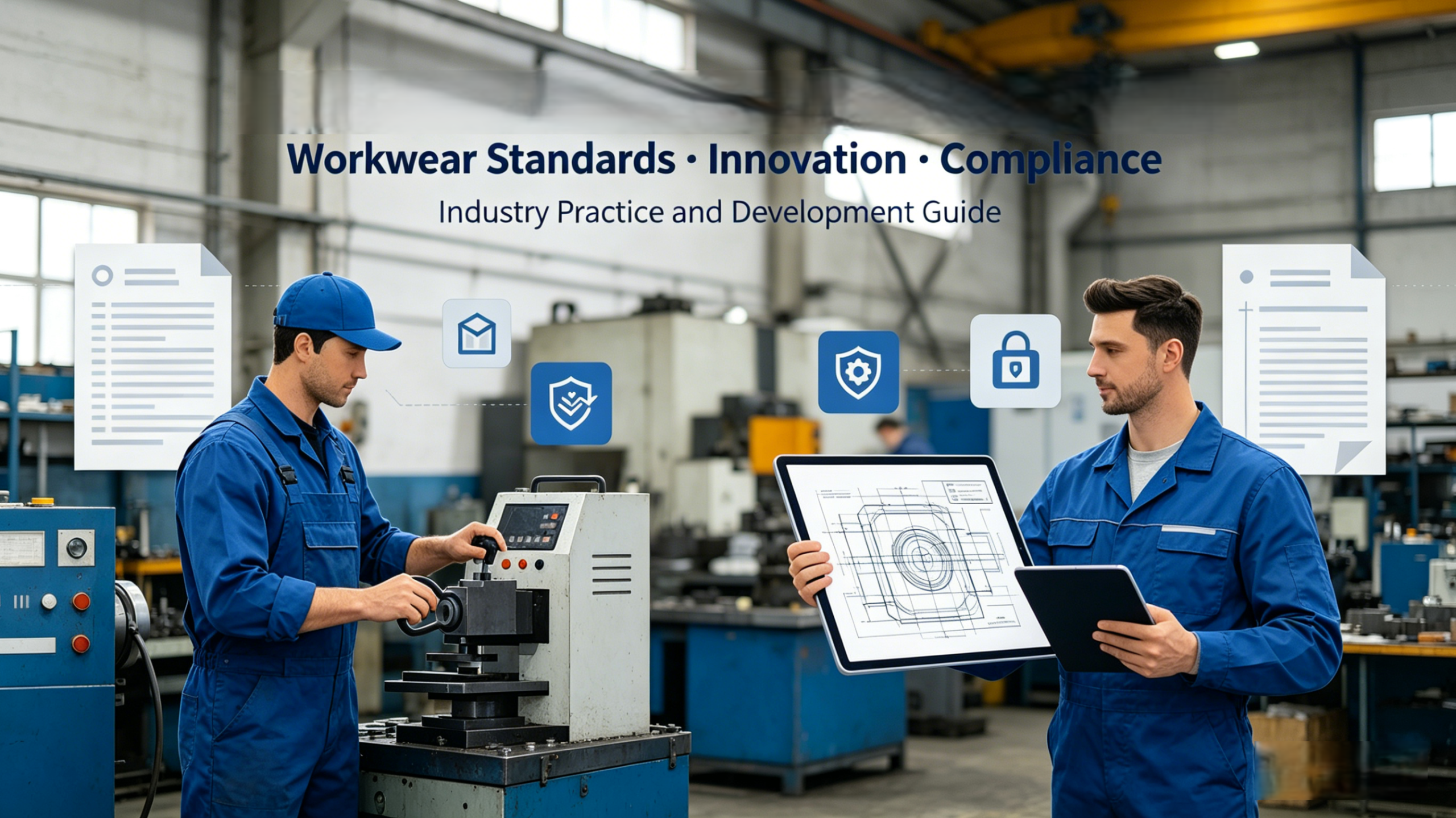
To address industry-specific pain points, improve worker comfort and safety, and adapt to the evolving needs of diverse industrial scenarios, recent innovations in workware products series have focused on material upgrading, functional optimization, and customization. Notable advancements include:
-
Material Innovation: Adoption of high-performance recycled fabrics and biodegradable coatings, which not only maintain the wear-resistant, anti-static, and flame-retardant properties of traditional workware but also reduce environmental impact, aligning with global sustainable development trends.
-
Functional Optimization: Modular design of workware products series, including removable liners for temperature adaptation (suitable for both high and low-temperature environments), multi-functional pockets for tool storage, and reinforced stitching at key stress points to enhance durability.
-
Industry-Specific Customization: Tailored workware solutions for different sectors—such as anti-corrosion and saltwater-resistant workwear for offshore oil & gas operations, cut-resistant and puncture-proof workwear for construction sites, and heat-resistant workwear for manufacturing and welding scenarios.
-
Intelligent Upgrade: Integration of lightweight sensors into workware to monitor worker body temperature, heart rate, and environmental conditions (par ex., gas concentration), enabling real-time safety monitoring and early warning of potential hazards.
-
3. Compliance Reminders and Best Practices
To ensure full compliance with updated standards and maximize the protective effect of workware products series, all stakeholders are reminded of the following best practices:-
Conduct regular inspections and maintenance of workware products series, including checking fabric integrity, anti-static and flame-retardant performance, and replacing worn, damaged, or expired workwear in a timely manner.
-
Provide mandatory training for workers on the correct selection, wearing, and maintenance of workware, ensuring that each employee understands the functional characteristics of their workwear and uses it in accordance with operational requirements.
-
Align the procurement of workware products series with industry-specific hazards and operational scenarios: par ex., offshore operations should prioritize anti-corrosion and anti-static workwear, while welding operations require flame-retardant and heat-resistant workwear.
-
Cooperate with certified manufacturers to ensure that all workware products meet international and local safety standards, and request relevant certification documents to avoid purchasing non-compliant products.
4. Contact Information for Further Inquiries
For questions regarding the updated standards, product innovations, customization solutions, or compliance guidance for workware products series, please contact our industry safety and technical team at [Contact Email] or [Contact Phone Number]. We are committed to providing professional support and resources to help your organization maintain the highest safety standards and operational efficiency.Workplace safety is the foundation of enterprise development. By staying updated on the latest developments of workware products series and adhering to compliance requirements and best practices, we can collectively build a safer, more efficient, and sustainable working environment for workers across all industries. -