 PLD Protection
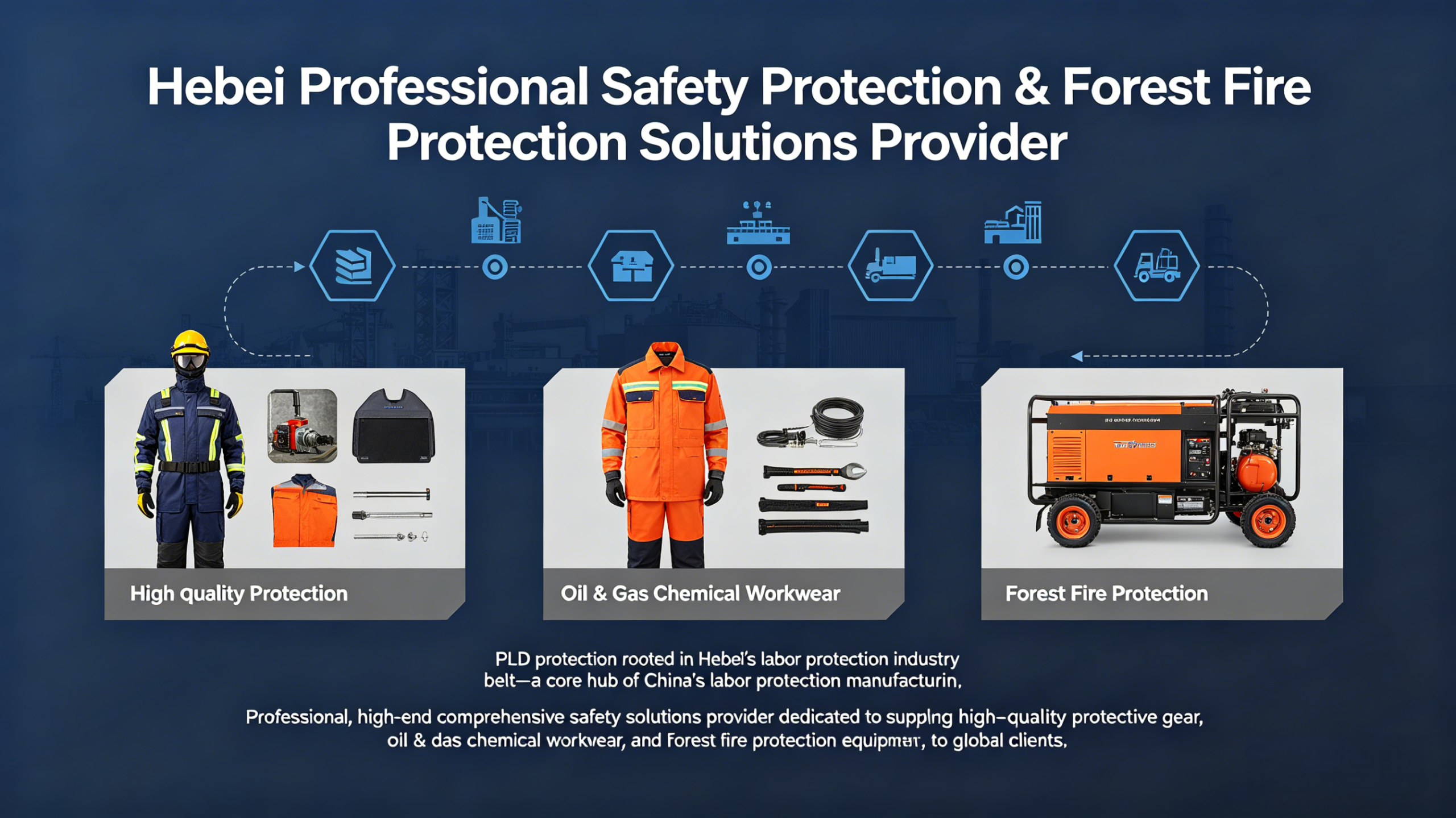
In the complex and demanding landscape of modern industry, workware products series serve as far more than just functional attire for on-site personnel. They form the first line of defense against environmental hazards, a catalyst for operational efficiency, and a tangible reflection of a company’s commitment to workforce safety and compliance. Across manufacturing, construction, oil & gas, petrochemical, and other high-risk industries, the evolution of workware has transcended basic protection to become a cornerstone of sustainable and intelligent operations.
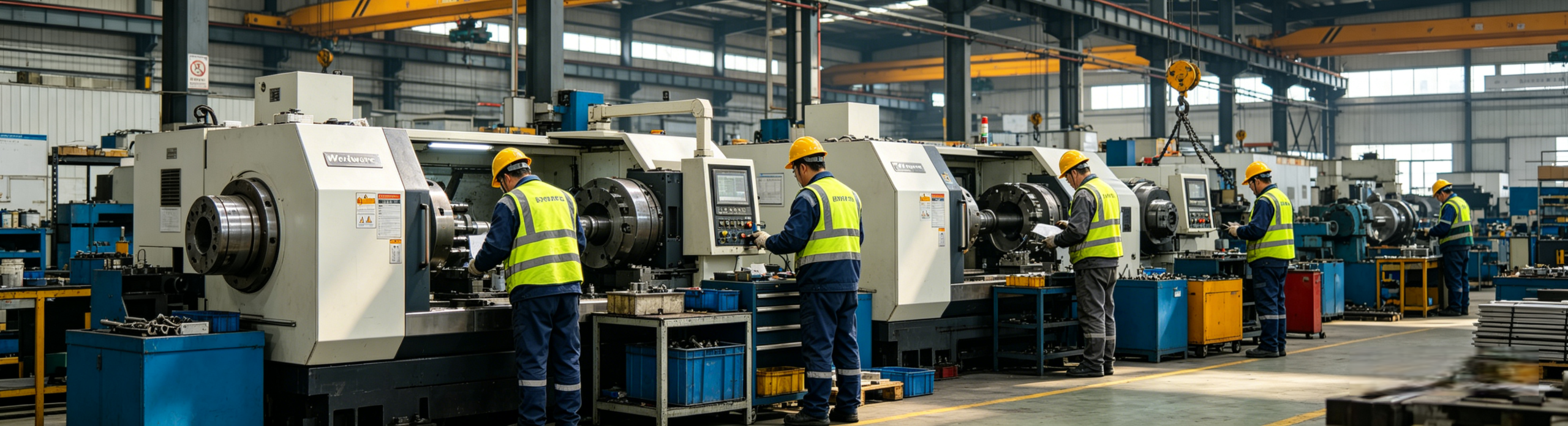
The Core Imperative: Why Workware Series Are Non-Negotiable Across Industries
Every industry presents unique challenges—from extreme temperatures and mechanical abrasion to chemical corrosion, flammable risks, and exposure to hazardous debris. Generic workwear fails to address these industry-specific pain points, creating gaps in safety that can lead to accidents, reduced productivity, and non-compliance with regulatory standards (e.g., ISO, CE, OSHA, EN).
Professional workware products series are engineered to solve these critical challenges:
- Hazard Mitigation: They shield workers from acute risks such as burns, cuts, chemical exposure, electric shocks, and impact injuries.
- Operational Continuity: High-quality, durable workwear reduces downtime caused by equipment failures, worker discomfort, or frequent replacements.
- Regulatory Adherence: Compliance with industry-specific safety standards (e.g., flame retardancy for oil & gas, anti-static for electronics) is mandatory to avoid fines, project halts, and reputational damage.
- Brand & Culture: A uniform, well-designed workware series fosters team unity, enhances brand visibility, and signals a company’s dedication to employee welfare—boosting morale and retention.
The Evolution of Workware: From Basic Protection to Industry-Customized Solutions
Modern workware series have evolved far beyond traditional coveralls. Today’s leading solutions integrate material science innovation, ergonomic design, and functional specialization to cater to diverse industry needs:
1. Oil & Gas, Petrochemical, and Refining Industries
These sectors demand workware that can withstand extreme heat, high pressure, corrosive chemicals, and explosive environments. Key features include:
- Flame-Retardant (FR) Fabrics: Self-extinguishing materials to prevent burn injuries in case of flash fires.
- Anti-Static Properties: Dissipate static electricity to avoid igniting flammable gases or vapors.
- Chemical Resistance: Coatings or specialized materials to repel crude oil, solvents, and acidic/alkaline substances.
- Weather Adaptability: Lightweight, breathable designs for onshore fields and insulated, water-resistant options for offshore platforms.
2. Construction and Heavy Engineering
Workware here must combat heavy debris, sharp edges, rough terrain, and variable weather:
- Cut-Resistant and Puncture-Proof Materials: Reinforced panels to protect against nails, metal fragments, and abrasive surfaces.
- Reinforced Stitching & High-Durability Fabrics: For longevity in high-friction environments like scaffolding or road construction.
- High-Visibility Accents: Reflective strips and neon colors to ensure visibility in low-light or crowded job sites (critical for compliance with safety regulations).
3. Manufacturing and Automotive
Workers in assembly plants, metal fabrication, and automotive workshops face metal shavings, welding sparks, lubricants, and mechanical stress:
- Welding-Specific Protection: Heat-resistant leather or synthetic blends for welders, complete with heat-reflective panels.
- Oil-Resistant Gloves & Aprons: Shield hands and torso from lubricants and coolant spills.
- Ergonomic Flexibility: Stretchable fabrics at joints (knees, elbows) to support repetitive movements without restricting mobility.
4. Mining, Quarrying, and Extraction
Harsh underground or open-pit environments require workware that balances durability, breathability, and impact protection:
- Impact-Resistant Padding: Reinforced knees, shins, and elbows to absorb blows from rocks or equipment.
- Dust & Particle Barriers: Breathable membranes that block fine dust while allowing air circulation.
- Waterproofing: Critical for mining operations exposed to groundwater or heavy rainfall.
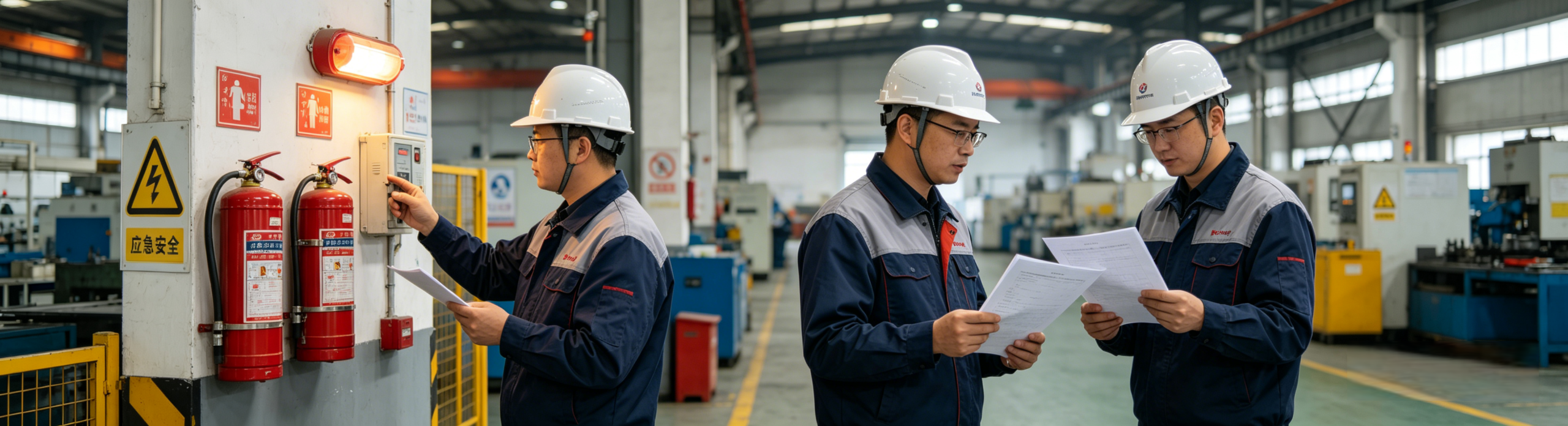
Key Trends Shaping the Future of Workware Products Series
The global workware market is projected to grow steadily, driven by rising safety awareness, regulatory tightening, and technological innovation. Three core trends are defining its evolution:
1. Sustainability & Eco-Conscious Design
Industries worldwide are prioritizing green practices, and workware is no exception. Manufacturers are adopting recycled fabrics, biodegradable coatings, and zero-waste production processes to reduce carbon footprints. For example, recycled polyester workwear offers the same durability as virgin materials but with 50% lower environmental impact.
2. Intelligent & Connected Workware
The era of “smart PPE” has arrived. Workware series now integrate sensors to monitor vital signs (heart rate, body temperature), detect gas leaks or toxic exposure, and even track worker location in real time. This technology not only prevents accidents but also enables data-driven safety management, reducing incident rates by up to 30% in high-risk industries.
3. Modular & Customizable Solutions
One-size-fits-all workware is obsolete. Leading brands now offer modular systems where workers can swap components (e.g., removable liners for temperature changes, interchangeable pocket systems for tool storage) to suit specific tasks. Customization also extends to industry-specific branding, color coding, and fit adjustments, ensuring comfort and compliance across diverse workforces.
The Role of Workware in Building a Resilient Workforce
Beyond safety, workware products series play a pivotal role in employee well-being and organizational success:
- Comfort = Productivity: Well-fitted, breathable workwear reduces fatigue during long shifts, allowing workers to maintain focus and efficiency.
- Reduced Costs: High-durability workware minimizes replacement expenses and downtime associated with work-related injuries.
- Inclusivity: Gender-specific designs and size-inclusive ranges ensure that all workers—regardless of physique—are protected, promoting equality and reducing workplace discrimination.
Conclusion: Workware as a Strategic Investment
In today’s competitive industrial landscape, workware products series are not an expense but a strategic investment in safety, productivity, and brand reputation. As industries continue to evolve—with a greater focus on sustainability, digitalization, and worker-centric practices—workware will remain at the heart of operational success.
For businesses, choosing a trusted partner for workware solutions means accessing industry-specific expertise, compliant products, and ongoing innovation. By prioritizing quality, customization, and safety, companies can build resilient workforces, mitigate risks, and drive long-term growth across all sectors.